There’s a unique allure to an old estate, isn't there? The whispered histories, the creaking floors, the lingering echoes of lives long past. For many, these grand old properties aren't just buildings; they're canvases for the unknown, sites ripe for uncovering mysteries that defy explanation. If you find yourself drawn to the enigmatic shadows of an ancestral home or a historic property, contemplating what stories might truly reside within its walls, you're not alone. Delving into Paranormal Investigation Techniques & Equipment for Estates is a journey into history, science, and the tantalizing possibility of contact.
It's a field experiencing a quiet renaissance, with enthusiasts and serious researchers alike sharing their preferred tools and sparking lively debates on what truly works. Forget the sensationalized TV shows for a moment; at its heart, effective paranormal investigation combines methodical observation, a solid understanding of basic physics, and a healthy dose of patience. The goal? To gather credible evidence and draw reasoned conclusions about unexplained events, all while maintaining a respectful, open mind.
At a Glance: Your Quick Guide to Estate Investigations
- Start Simple: Basic, reliable tools often yield the best results over complex, unproven gadgets.
- Team Up: Always investigate with at least two other people for safety and corroboration.
- Core Equipment: Voice recorders, infrared thermometers, EMF meters, and night vision cameras are your foundational gear.
- Ethical First: Always get explicit consent from property owners and report findings honestly.
- Document Everything: Meticulous notes, audio, video, and photos are crucial for credibility.
- Skip the Gimmicks: Many phone apps and overly complex tech lack proven efficacy in the field.
- Community is Key: Engage with other investigators to share insights and refine your techniques.
Why Investigate Your Estate? Unraveling the Unexplained
Estates, by their very nature, are repositories of time. Generations have lived, loved, and died within their confines. This rich tapestry of human experience, coupled with the sheer age and often unique architecture of these properties, makes them prime candidates for paranormal phenomena. Think about it: a grand, centuries-old manor might have witnessed everything from joyous celebrations to profound tragedies, perhaps even housing individuals whose earthly ties were particularly strong.
For property owners or caretakers, an investigation might stem from genuine curiosity, a desire to understand strange occurrences, or even a sense of responsibility to the estate's hidden narratives. Regardless of the motivation, the aim remains consistent: to investigate unexplained events, gather potential evidence, and attempt to draw conclusions about phenomena like hauntings or residual energy. It's an endeavor that requires an open mind but also a commitment to methodical approaches. And you wouldn't be alone in your beliefs; a Pew Research Center survey found that nearly 41% of Americans believe in ghosts, underscoring a widespread fascination with the ethereal.
The Investigator's Mindset: More Than Just Ghost Hunting
Before you even touch a piece of equipment, cultivating the right mindset is paramount. This isn't about conjuring spirits or sensationalizing every creak. It's about careful observation, critical thinking, and a commitment to gathering objective data.
Approaching the Unknown with Scientific Skepticism
An effective investigator balances an open mind with a healthy dose of scientific skepticism. You're looking for proof, but you're also ruling out conventional explanations first. Is that cold spot a spirit, or just a draft from an old window? Does that strange noise come from the other side, or from the settling of an ancient timber? This discernment is what separates genuine inquiry from wishful thinking.
Team Up for Trustworthiness
One of the most crucial "techniques" in paranormal investigation requires no equipment at all: teamwork. You should always investigate with at least two other people. Why?
- Safety: Old estates can be treacherous, with uneven floors, dim lighting, and hidden hazards. There's safety in numbers.
- Corroboration: What one person observes, another might miss. Multiple perspectives help validate experiences and ensure no single investigator's bias dominates.
- Documentation: With a team, you can divide tasks – one on camera, one on audio, one taking notes – ensuring comprehensive coverage.
- Emotional Support: Investigating the unknown can be unsettling. Sharing the experience reduces anxiety and allows for immediate debriefing.
The Essential Toolkit: What You Really Need to Catch a Ghost (or Evidence)
While the market is flooded with gadgets, seasoned investigators often lean on a core set of reliable tools. The mantra here is "simpler is often better."
The Foundational Four: No-Frills, High Impact
These are the workhorses of any serious paranormal investigation. They're straightforward, widely available, and have a proven track record for collecting anomalous data.
- Voice Recorders (EVP Devices):
- Purpose: Capturing Electronic Voice Phenomena (EVP). This refers to sounds, voices, or words found on electronic recordings that are not present during the actual recording session.
- Why It's Essential: Often considered the most compelling form of evidence, EVP allows you to capture subtle auditory responses that are imperceptible to the human ear in real-time. A good digital voice recorder with a sensitive microphone is crucial.
- Technique: Ask direct questions into the recorder, leaving significant pauses (10-30 seconds) for potential responses. Review recordings meticulously with headphones.
- Infrared Thermometers:
- Purpose: Identifying sudden, localized temperature drops or "cold spots," often associated with spiritual presence or energy shifts.
- Why It's Essential: Spirits are theorized to draw energy from their surroundings, leading to a measurable decrease in temperature. Infrared thermometers allow for precise, non-contact readings.
- Technique: Systematically scan rooms and areas, paying close attention to drafts or structural issues that might explain temperature fluctuations. Document any significant drops immediately.
- EMF Meters (Electromagnetic Field Detectors):
- Purpose: Detecting fluctuations in electromagnetic fields, which many believe indicate paranormal activity.
- Why It's Essential: The theory suggests that spirits or entities can manipulate ambient electromagnetic energy. Unexplained spikes in EMF readings in areas devoid of conventional electrical sources (like wiring or appliances) can be significant.
- Technique: Conduct baseline readings throughout the estate before the investigation begins to identify normal EMF levels. Sweep areas slowly, noting any sudden spikes or sustained elevated readings.
- Night Vision Cameras:
- Purpose: Capturing visual evidence in low-light environments where paranormal activity is often reported.
- Why It's Essential: Many phenomena occur in darkness. Night vision allows you to continuously monitor areas and potentially record visual anomalies that would otherwise be missed.
- Technique: Set up cameras strategically in areas of high reported activity. Use multiple cameras for different angles. Review footage carefully, looking for shadows, orbs, or other unexplained visual events.
Specialized Sensors: Level Up Your Detection
Once you have your foundational gear, these tools can add another layer of detection.
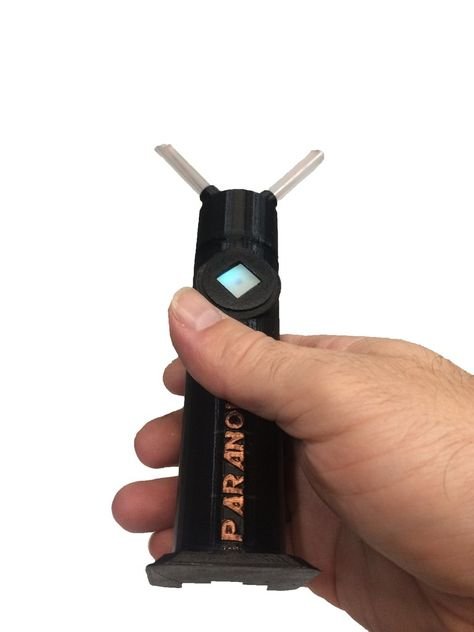
- Sensitive Pods (Activity Detectors):
- Purpose: Devices that light up or emit sound upon detecting movement or energy changes, acting as passive indicators of activity.
- Why It's Essential: These devices can sit silently in a room, alerting investigators to activity without constant monitoring. They are considered efficient for serious investigators looking for an immediate indication of presence.
- Technique: Place pods in areas where interaction is desired or suspected. Their activation can prompt further investigation with other tools.
- Dowsing Rods:
- Purpose: Unconventional tools, often L-shaped metal rods, used to locate energy sources, entities, or ley lines.
- Why It's Essential: While highly controversial and lacking scientific explanation, some traditional investigators find dowsing rods effective for identifying potential "hot spots" or areas of concentrated energy within an estate.
- Technique: Hold rods loosely in front of you and walk slowly through an area. The rods are said to cross or diverge when an energy source is detected. This is a highly subjective tool best used in conjunction with other objective methods.
Beyond the Gadgets: The Tried-and-True
Some of the most effective tools aren't technological at all.
- Mirrors:
- Purpose: Traditional tools for scrying or simply observing subtle changes in a room that modern tools might miss.
- Why It's Essential: In certain contexts, reflections can offer different perspectives or reveal fleeting visual anomalies.
- Technique: Position mirrors to reflect specific areas, or use them as a focal point during still vigils.
- Field Notes & Photographic Evidence:
- Purpose: The bedrock of reliable documentation. Handwritten notes capture immediate impressions, observations, and personal experiences. Photographic evidence (both digital and traditional) provides visual representation of locations.
- Why It's Essential: Your observations are subjective, but your detailed notes and photos provide objective context and a timeline of events. You'll need images of locations before, during, and after investigations to compare any changes.
- Technique: Carry a small notebook and pen. Jot down times, locations, environmental conditions, and any observations. Take frequent photos, ensuring good lighting and clear focus.
What to Skip (and Why)
Not all paranormal tools are created equal. Be discerning.
- Smartphone Apps: Many "ghost detector" or "EVP recorder" apps are often deemed unreliable by seasoned investigators. They can be prone to false positives or simply lack the sensitivity and dedicated hardware of professional equipment. Don't waste your precious investigation time on them.
- Hyper-Complex, Untested Technology: While the future may blend classic methods with advanced tech, there's a strong preference among ghost hunters for simpler, physical devices over complex data collection tools. Advanced technology like hyperspectral imaging systems, for instance, has received "zero interest" from the ghost hunting community. Stick to what's understood and has a track record, even if anecdotal.
Mastering the Methods: Practical Techniques for Estate Investigations
Having the right gear is only half the battle. Knowing how to use it effectively and systematically is what truly yields results.
Pre-Investigation Prep: Laying the Groundwork
Thorough preparation is non-negotiable for a credible investigation.
- Gaining Consent (The Ethical Imperative):
- You must obtain explicit permission from the property owners. This isn't just a courtesy; it's an ethical and legal requirement. A signed agreement outlining the scope and duration of the investigation is highly recommended.
- Discuss what you'll be doing, what equipment you'll use, and how findings will be reported.
- Historical Research: Context is King:
- Delve into the estate's history. Who lived there? What significant events occurred? Any documented deaths, tragedies, or strong emotional periods?
- Understanding the historical context can help focus your investigation and provide potential explanations for observed phenomena. It also allows you to formulate targeted questions during EVP sessions.
- Baseline Readings: What's "Normal"?
- Before you actively hunt for anomalies, you need to know the normal environmental conditions of the estate.
- Walk through with your EMF meter, thermometer, and sound recorder. Note any consistent drafts, electrical interference, or background noises. This helps rule out mundane explanations later.
During the Investigation: Systematic Observation
Once on site, a structured approach will maximize your chances of gathering valuable data.
- Setting Up Your Gear: Strategic Placement:
- Position static cameras (night vision) in areas of reported activity or strategic vantage points.
- Place sensitive pods in hallways, doorways, or rooms where interaction is desired.
- Ensure all battery levels are full and recording devices are active.
- Conducting EVP Sessions: Asking the Right Questions:
- In a quiet area, with a voice recorder running, verbally ask questions. Address any known historical figures or simply ask if anyone is present.
- Leave long pauses (20-30 seconds) after each question to allow time for a response to be captured.
- Avoid whispering or making incidental noises during these pauses.
- Environmental Monitoring: Sweeps and Scans:
- Regularly sweep areas with your EMF meter and infrared thermometer. Note exact locations and readings for any anomalies.
- Pay attention to changes in personal sensation – sudden chills, feelings of being watched, or unusual odors. While subjective, these are worth noting in your field journal.
- This is where your team members become invaluable, corroborating experiences or confirming readings. To delve deeper into understanding the unique characteristics of historic homes, you might want to Explore Ghost Mansion and its rich history.
- Vigils and Prompts: Active Engagement:
- Often, simply sitting quietly in a "hot spot" and observing is effective.
- Gentle prompts, like asking for a knock or a sign, can sometimes elicit responses. Be respectful and clear in your communication.
- Sometimes, playing period-appropriate music or bringing an object related to a former resident can act as a trigger.
The Power of Documentation: Capturing Your Discoveries
Your evidence is only as good as your documentation. Be meticulous.
- Detailed Logbooks:
- Maintain a precise log of time, location, environmental conditions (temperature, humidity, moon phase), and any occurrences.
- Note who observed what, at what time, and with which equipment. This creates an undeniable timeline.
- Audio & Video Footage:
- Ensure all recording devices are timestamped and synchronized if possible.
- Label all footage immediately after the investigation with date, time, and location.
- Review all footage, even mundane sections, for subtle anomalies.
- Pre/During/Post Photography:
- Take clear photographs of all investigation areas before you start. This establishes a baseline.
- During the investigation, photograph any anomalies – displaced objects, unexplained shadows, changes in the environment.
- Take post-investigation photos as well to document how the area was left.
- Summary Reports:
- Compile all your evidence – photos, audio clips, video segments, and field notes – into a comprehensive summary report.
- Distinguish clearly between subjective experiences (personal feelings, impressions) and objective data (EMF spikes, temperature drops, recorded EVP). This adds significant credibility.
- These reports are vital for sharing with property owners or the wider paranormal community.
The Ethical Compass: Investigating with Integrity
Paranormal investigation, particularly within private estates, carries significant ethical responsibilities.
- Respecting Property and Privacy: Treat the estate and its contents with the utmost care. You are a guest. Do not disturb or damage anything. Respect the privacy of current and past residents.
- Honest Reporting: Distinguishing Subjective from Objective: This cannot be stressed enough. Never embellish or invent findings. Clearly separate your personal feelings or interpretations from empirical data. If something is inconclusive, state it. Transparency builds trust.
- Cultural Sensitivity: Estates, especially very old ones, may have cultural or historical significance. Approach your research with sensitivity to local traditions, beliefs, and the history of the property and its former inhabitants.
Understanding the Investment: What Paranormal Investigations Cost
While you can certainly get started on a shoestring budget, the cost can vary widely depending on your ambition and approach.
- DIY Investigations: For basic equipment like a good voice recorder, an infrared thermometer, and an EMF meter, you can expect to spend approximately $100 to $500. This makes the hobby accessible to many.
- Professional Investigations: If you hire a professional team to investigate your estate, costs can exceed $1,000. This fee typically covers their expertise, advanced equipment, travel, and time spent on analysis and reporting. They bring experience and usually have higher-end versions of the core tools.
- Tour-Based Investigations: For those who want a taste of investigation without the full commitment, organized tours of historic or allegedly haunted estates range from $50 to $200 per person. These are often group experiences, providing an introduction to techniques and equipment.
The Future of the Hunt: Blending Old and New
The field of paranormal investigation is dynamic, constantly evolving as technology advances and methodologies are refined. Expect future innovations to bridge the gap between classic, traditional methods and cutting-edge technology.
Estimates suggest that around 60% of new gear might be hybrids – imagine smart voice recorders that automatically log temperature and EMF data, or night vision cameras with integrated motion sensors that communicate with other devices. This integration will streamline data collection and analysis, allowing investigators to focus more on interpreting anomalies.
Online communities are also playing an increasingly vital role. They are not only driving the development of apps tailored for serious investigators (moving away from the unreliable consumer apps of today) but also fostering a stronger sense of local connection. Expect more robust online platforms to encourage face-to-face meetups, knowledge sharing, and collaborative investigations, further professionalizing the amateur scene.
Connecting with the Community: Share, Learn, Grow
One of the richest resources available to any paranormal investigator is the community itself. Engaging with fellow enthusiasts, researchers, and professional teams offers invaluable opportunities. Share your experiences and insights, learn from others' successes and challenges, and contribute to the collective knowledge base. Online forums, local meet-up groups, and conferences are excellent avenues for connecting. The collective wisdom of the community often helps decode complex findings and refine techniques, propelling the field forward.
Your Next Step: Embarking on Your Estate's Mystery
Paranormal investigation in estates is a journey into the heart of mystery, history, and the unexplained. Armed with the right techniques, essential equipment, a strong ethical compass, and a team, you are ready to peel back the layers of time within your chosen property. Approach it with an investigator's discipline and a storyteller's curiosity. Whether you uncover compelling evidence or simply gain a deeper appreciation for the stories an old estate holds, the experience itself is a profound one.
So, gather your gear, assemble your team, and step confidently into the silence. What secrets will your estate reveal?