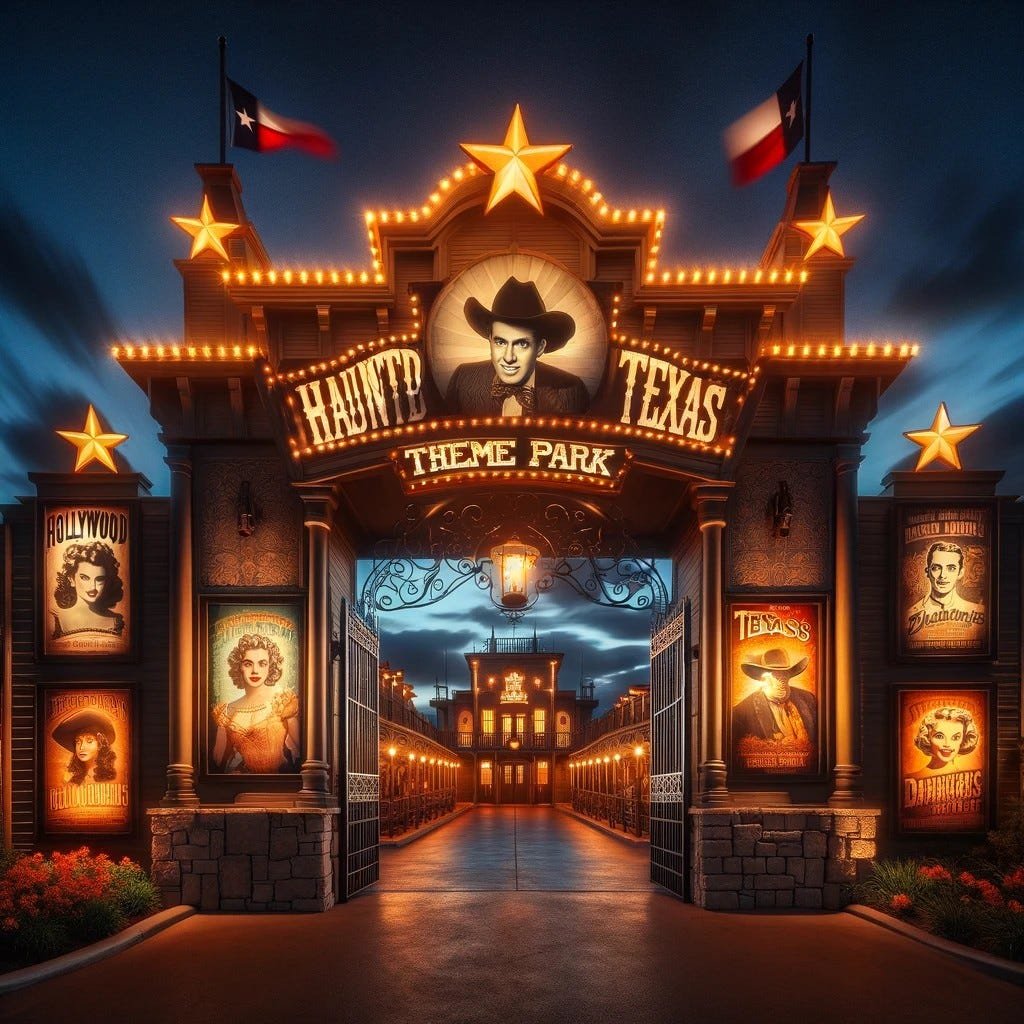
The flickering gaslight of history often casts long, chilling shadows. In the unique intersection of Preservation Efforts & Tourism for Historic Haunted Properties, we find ourselves captivated by sites that aren't just old, but alive with stories—some spectral, all profoundly human. These aren't merely crumbling walls; they are the last standing witnesses to centuries of human experience, architectural ingenuity, and the deeply woven tapestry of community memory, often imbued with an energy that transcends the purely tangible.
This isn't about proving ghosts exist. It's about recognizing that whether through folklore or personal experience, the "haunted" label adds an undeniable layer of intrigue that, when managed responsibly, can become a powerful force for preserving irreplaceable cultural heritage. But how do we balance the draw of the eerie with the solemn duty of protecting these fragile relics? That’s the tightrope walk we're here to explore.
At a Glance: Key Takeaways for Balancing Hauntings and History
- Beyond the Spooks: Haunted properties are first and foremost historical and architectural treasures, preserving tangible and intangible cultural heritage.
- Economic Drivers: Eerie tourism significantly boosts local economies, creating jobs and funding.
- Challenges Abound: High visitor traffic, commercial pressures, funding gaps, and climate change threaten these sites.
- Strategic Safeguards: Effective preservation requires meticulous documentation, systematic planning, stakeholder collaboration, and robust educational programs.
- Tech to the Rescue: Modern tools like 3D scanning, VR, and AI are revolutionizing how we document, monitor, and present these sites.
- Ethical Imperatives: Responsible tourism prioritizes historical accuracy, respect for the site's past, and visitor safety over sensationalism.
- Holistic Vision: A balanced approach integrates conservation, public access, technology, and community engagement for future generations.
The Whispers of the Past: Why Haunted Properties Demand Our Attention
When you step into a historic site renowned for its paranormal activity, you're not just seeking a thrill. You're entering a space where the past feels intensely present, where the veil between then and now seems thinner. This powerful connection is precisely why these properties are so vital to preserve, extending far beyond the lure of a ghost story.
Beyond the Ghost Story: Tangible & Intangible Heritage
Many of these locations hold immense historical and architectural significance. Think of the grand Victorian estates, the stoic lighthouses, or the sprawling former asylums—each one a unique architectural marvel, a physical record of bygone eras and the social conditions that shaped them. They offer a window into how people lived, worked, and worshipped, often containing archaeological clues to daily life centuries ago.
But their value isn't just in bricks and mortar. These sites are vessels for intangible heritage: the oral traditions, the local legends, the very ghost stories that have been passed down through generations. These narratives—whether about a heartbroken bride, a wronged worker, or a tragic battle—are often deeply rooted in real events, preserving cultural practices, community identity, and offering unique educational opportunities. Visiting a place like Gettysburg, where the raw energy of Civil War trauma is said to linger, or the Winchester Mystery House, born from one woman's unique grief and architectural obsession, offers a profound, visceral link to collective memory and personal tragedies that transcend time.
The Economic & Cultural Lifeline: More Than Just a Scare
The fascination with the supernatural translates directly into robust economic activity. Haunted historical sites are undeniable tourism magnets, drawing visitors eager for unique experiences. This influx of tourists supports local economies through ticket sales, accommodations, dining, retail, and related services, creating jobs and generating crucial revenue.
Beyond the immediate economic boost, these properties serve as vibrant cultural hubs. They host educational programs, historical reenactments, and cultural events that deepen public understanding of the past. When managed thoughtfully, this tourism provides the financial oxygen needed to fund the often-exorbitant costs of preservation and maintenance, ensuring these stories, both historical and haunted, continue to be told.
Walking a Fine Line: The Crossroads of Preservation & Popularity
The very popularity that fuels preservation efforts also presents its greatest challenges. It's a delicate balance to invite the public into these sacred spaces without loving them to death.
The Wear and Tear of Wonder-Seekers: Visitor Impact
High tourism, while economically beneficial, can become a double-edged sword. Constant foot traffic, touching, and even unintentional damage can accelerate wear and tear on fragile historical structures and artifacts. From worn floorboards to eroded pathways, physical damage is a clear and present danger. Environmental stress, like changes in humidity from large groups breathing indoors, can also harm delicate materials. In worst-case scenarios, the allure of the "haunted" can attract vandalism or theft, compromising the very integrity of the site.
History vs. Hype: Commercial Pressures
The quest for economic gain can sometimes clash with conservation principles. There's a persistent temptation to sensationalize ghost stories, prioritizing thrilling narratives over historical accuracy. This commercial pressure can lead to presentations that distort the past, sacrificing genuine historical interpretation for cheap scares. When the focus shifts too heavily to entertainment, the profound educational and cultural value of the site can be diminished, turning a place of deep history into little more than a haunted house attraction.
The Never-Ending Bill: Financial Hurdles
Preserving a historic property, especially one with the unique demands of a haunted narrative, is incredibly expensive. Competition for funding is fierce, whether from public grants or private foundations. Many investors prioritize projects with clearer, more tangible economic returns, making it challenging to secure the consistent, substantial funding needed for high maintenance costs, specialized restoration work, and the implementation of advanced conservation techniques.
Nature's Fury: Climate Change Threat
Adding to these perennial challenges is the growing specter of climate change. Historic structures, often built with traditional materials and less robust defenses, are particularly vulnerable to extreme weather events, such as hurricanes, floods, and wildfires. Rising sea levels threaten coastal properties, while changing temperature and humidity patterns can accelerate the decay of materials, foster mold growth, and destabilize foundations, demanding adaptive and often costly new preservation strategies.
Crafting a Legacy: Strategies for Sustainable Haunted Heritage
Successfully navigating the challenges requires a comprehensive, multi-faceted approach that respects both the property's historical integrity and its unique draw as a haunted destination. It’s about being proactive, precise, and profoundly collaborative.
Laying the Groundwork: Documentation & Planning
Before any major work begins, thorough documentation is paramount. This isn't just about taking a few photos; it involves:
- Architectural Surveys: Detailed measurements, drawings, and analyses of every structural element.
- Comprehensive Historical Research: Digging deep into archives, property deeds, personal letters, and local records to understand the full human story—the joys, tragedies, and daily lives—that unfolded within these walls. This research often provides the true, often darker, context for local ghost stories.
- Oral History Collection: Interviewing long-time residents, former employees, and local historians who can share anecdotes, folklore, and personal accounts that add invaluable layers of understanding.
- Photographic & Digital Documentation: High-resolution photography, LiDAR scanning, and 3D modeling create exhaustive digital twins of the property, serving as invaluable baselines for future restoration and even virtual tours.
Once documented, systematic planning takes over: - Regular Condition Assessments: Consistent monitoring helps identify issues early, before they become catastrophic.
- Comprehensive Conservation Plans: These detailed roadmaps outline specific interventions, materials research (to ensure compatibility with original fabric), and environmental monitoring to control factors like temperature and humidity.
- Preventive Conservation: Implementing measures like controlled climate systems, structural monitoring with sensors, and non-invasive analytical techniques minimizes deterioration without altering the original structure.
Building Bridges: Engaging Stakeholders & Communities
No preservation effort exists in a vacuum. Successful projects thrive on collaboration:
- Local Communities: Engaging residents ensures that preservation efforts align with local values and needs, fostering a sense of ownership and pride.
- Historical Societies: These organizations often hold deep institutional knowledge and can provide invaluable support, resources, and volunteer power.
- Tourism Industry Partners: Collaborating with tour operators, hoteliers, and local businesses ensures that preservation is integrated into the broader tourism strategy, promoting sustainable practices and economic benefits.
- Academic Institutions: Partnerships with universities can bring expertise in architectural history, conservation science, archaeology, and even paranormal studies, offering cutting-edge research and interdisciplinary insights.
Enlightening Minds: Education & Interpretation
The best way to protect a site is to make people care about it. Education is central to this:
- Historical Interpretation Programs: Developing engaging narratives that accurately convey the site's history, without shying away from its darker, potentially haunted aspects, but always grounding them in factual context.
- School Curricula & Public Lectures: Creating materials and events that reach a broad audience, fostering a deeper appreciation for heritage.
- Volunteer Training: Equipping volunteers with the knowledge and skills to act as informed ambassadors for the property, ensuring consistent messaging and care.
The Tech Edge: Modern Tools for Ancient Sites
Technology is revolutionizing preservation, offering unprecedented capabilities for documentation, monitoring, and public engagement.
- 3D Scanning & Virtual Reality (VR): Creating highly accurate digital records allows for precise restoration planning and offers immersive virtual tours, allowing remote access and reducing physical wear from visitors.
- Digital Archives & Interactive Media: Centralized databases for all historical documentation, accessible to researchers and the public, complemented by interactive exhibits that bring the past to life.
- Artificial Intelligence (AI): AI can analyze vast datasets from sensors and historical records to predict deterioration patterns, optimize climate control, and even help reconstruct missing historical information.
- Internet of Things (IoT) Sensors: Embedded sensors can monitor temperature, humidity, structural integrity, and even visitor flow in real-time, providing critical data for preventive conservation and adaptive management.
- Digital Twins: Virtual replicas of physical assets, updated in real-time by IoT sensors, allow for predictive maintenance, simulation of environmental impacts, and continuous monitoring without direct physical intrusion.
You can delve deeper into how these cutting-edge tools transform heritage management by exploring how sites like Ghost Mansion utilize innovative solutions.
The Legal Framework: Safeguarding Our Past
Strong legal protections are the bedrock of any serious preservation effort:
- National Register of Historic Places: Listing a property provides prestige, certain protections, and access to grants and tax incentives.
- Local Ordinances & Zoning Regulations: These can protect properties from demolition or inappropriate development, dictating acceptable changes.
- Historic Building Codes: Specialized codes ensure that restoration work maintains historical integrity while meeting modern safety standards.
- Property Rights & Easements: Navigating land ownership, public access rights, and conservation easements are critical for long-term protection.
- Liability Issues: Ensuring visitor safety, particularly in older, potentially hazardous structures, requires careful planning, signage, and insurance.
Fueling the Future: Funding & Financing
Securing diverse and sustainable funding is a constant battle. Strategies include:
- Government Grants: Federal, state, and local programs often support preservation, especially for publicly accessible sites.
- Private Foundations: Non-profit organizations dedicated to cultural heritage can be significant funding partners.
- Corporate Sponsorships: Companies can align with preservation efforts as part of their corporate social responsibility initiatives.
- Crowdfunding & Individual Donations: The public's emotional connection to haunted places can be leveraged for grassroots fundraising campaigns.
- Earned Income: Sustainable tourism models, gift shop sales, and event hosting can generate self-sustaining revenue.
Learning from the Legends: Successful Project Insights
Many properties have successfully blended their historical significance with their haunted allure. Their common threads include:
- Adaptive Reuse: Finding new, functional purposes for historic buildings (e.g., hotels, museums, event venues) generates revenue while preserving the structure.
- Community Partnerships: Projects with broad local support tend to be more resilient and well-funded.
- Sustainable Tourism: Implementing visitor management plans, promoting respectful engagement, and capping visitor numbers protect the site from overuse.
- Educational Integration: Ensuring that ghost stories are presented within a rich historical context, rather than as standalone sensationalism.
- Early Intervention & Professional Expertise: Addressing issues promptly and engaging experienced conservators and historians prevents minor problems from becoming major disasters.
Beyond the Veil: The Psychology Behind the Hauntings
While the journalist's role is not to validate paranormal claims, understanding the psychological factors at play helps explain why these places resonate so deeply with people, and how that resonance can be channeled for preservation.
Echoes of Emotion: Memory and Trauma
The human mind is incredibly adept at processing profound moments, especially those involving intense emotion or trauma. These experiences, whether personal or collective, can become deeply anchored to specific places. When individuals visit sites of past joy or tragedy, their minds can interpret residual emotional "energy" or historical accounts through a supernatural lens. This isn't just about belief in ghosts; it's about the very human experience of empathy, memory, and the struggle to comprehend events that transcend our normal understanding. A feeling of unease or the perception of a presence can be a manifestation of this psychological connection to the profound human dramas that unfolded there.
The Environment's Whisper: Physical Influences
Our surroundings profoundly affect our psychological state. Physical characteristics of old buildings—decay, neglect, drafts, creaking sounds—can evoke a powerful sense of eeriness. Moreover, subtle environmental factors are increasingly being studied for their potential impact on perceived paranormal activity. Fluctuations in electromagnetic fields (EMFs), infrasound (low-frequency sound waves below human hearing), or even minor temperature changes can induce feelings of anxiety, dread, or the sensation of being watched, amplifying psychological responses and leading to the perception of paranormal occurrences. Understanding these factors allows us to distinguish between historical atmosphere, environmental influence, and genuine unexplained phenomena, ensuring respectful and accurate interpretation.
Haunted, Not Hacked: Ethical Tourism & Authentic Experiences
The key to long-term success for any historic haunted property lies in a commitment to ethical tourism. This means striking a careful balance between satisfying the public's desire for an intriguing experience and upholding the site's historical integrity and respect for its past inhabitants.
Authenticity vs. Entertainment: A Delicate Scale
The goal should always be to present ghost stories as part of the site's rich historical and cultural tapestry, rather than as a standalone spectacle. This involves:
- Contextualizing Legends: Explaining when and how ghost stories emerged, connecting them to actual historical events, people, or folklore.
- Avoiding Fabrication: Never invent or exaggerate paranormal claims for commercial gain.
- Fact-Checking: Rigorously verify historical information, even when it supports a "haunted" narrative.
- Transparency: Clearly distinguish between documented history, oral tradition, and personal accounts.
Respect for the "Residents" and History
Many haunted properties are former homes, hospitals, or sites of significant human events. They are not amusement parks. Ethical tourism dictates:
- Dignity: Treating the memories of past inhabitants with respect, avoiding exploitation or trivialization of their lives and deaths.
- Cultural Sensitivity: Understanding and respecting the cultural significance of the site, especially if it relates to indigenous peoples or specific historical groups.
- Non-Invasive Exploration: Discouraging visitors from disturbing artifacts, structures, or any perceived "resting places."
Visitor Etiquette and Safety
Managing a haunted historical site also means managing visitor behavior to ensure both preservation and safety:
- Clear Guidelines: Establishing and enforcing rules for respectful conduct, including no touching, no littering, and designated pathways.
- Safety Briefings: Ensuring visitors are aware of potential hazards in older buildings (uneven floors, low light, steep stairs) and emergency procedures.
- Accessibility: Striving to make sites as accessible as possible while balancing structural limitations and historical integrity.
- Staff Training: Equipping guides and staff to handle questions about the paranormal respectfully and informatively, integrating historical facts with local lore.
Your Turn: Becoming a Guardian of the Eerie Past
Whether you're a curious visitor, a dedicated historian, or a property owner, you play a vital role in the future of these compelling locations.
For the Explorer: Visiting Respectfully
- Do Your Homework: Research the history of the site before you go, beyond just the ghost stories.
- Listen More, Disrupt Less: Pay attention to guides, follow rules, and respect the quiet solemnity some sites demand.
- Leave No Trace: Don't touch, deface, or remove anything. The only thing you should leave are footprints, and the only thing you should take are memories and photographs.
- Support Ethically: Choose tours and properties that prioritize historical accuracy and responsible preservation over sensationalism.
- Be Skeptical, But Open: Approach the "haunted" aspect with a critical mind but an open heart, ready to appreciate the human stories.
For the Steward: Managing a Haunted Legacy
- Prioritize Preservation: Always put the structural integrity and historical accuracy of the property first. The hauntings are a bonus, not the core mission.
- Invest in Expertise: Work with professional conservators, historians, and architects who specialize in heritage preservation.
- Develop a Master Plan: Create a long-term strategy that integrates conservation, interpretation, tourism, and community engagement.
- Educate Your Staff: Ensure all guides and employees are well-versed in both the documented history and the folklore, and trained in ethical presentation.
- Embrace Technology: Utilize digital tools for documentation, monitoring, and engaging new audiences.
- Diversify Funding: Explore a mix of grants, donations, and earned income to ensure financial stability.
- Community Engagement: Foster strong relationships with local residents, historical groups, and cultural organizations.
The Spirits of Tomorrow: A Holistic Vision for Our Haunted Heritage
The preservation of historic haunted properties is a nuanced, intricate endeavor that stands at the crossroads of cultural heritage and human psychology. It’s about more than just keeping old buildings from crumbling; it's about safeguarding the tangible evidence of our past, honoring the intangible cultural narratives, and exploring the profound ways in which human experience can leave an indelible mark on a place.
A truly successful approach is holistic, respecting both the physical heritage and the ethereal stories, blending conservation needs with public access and cultural programming. It leverages innovative technologies to protect and interpret, adapts creatively to the looming threats of climate change, and champions sustainable tourism and community-based strategies. By doing so, we ensure that these irreplaceable sites—each a complex layer of human experience, cultural memory, and community identity—continue to intrigue, educate, and resonate with future generations, long after the last gasp of any perceived spectral resident fades.